



Many homeowners take pride in keeping a spotless bathroom and a sparkling kitchen counter. They pour various bright liquids down their drains without giving a single thought to where those fluids eventually land. Unfortunately, the average individual does not realize that their daily cleaning habits can trigger a massive plumbing disaster right under their lawn. The chemicals designed to make a toilet bowl gleam can silently destroy an expensive waste management setup.
Unlike a city sewer system that carries waste away to a distant treatment plant, a backyard tank operates completely independently. Every single drop of liquid that leaves a sink or shower directly impacts this localized containment area. Understanding how modern chemical products interact with this delicate system is crucial for preventing unexpected and costly breakdowns.
Exploring the Delicate Underground Ecosystem
A functional backyard waste tank relies heavily on a thriving community of microscopic organisms to break down solid waste. These tiny bacteria work around the clock to liquefy materials so that the remaining water can safely exit the chamber. Without these invisible helpers, the container would fill up with solid matter within a matter of months.
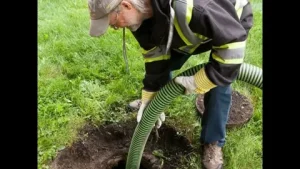
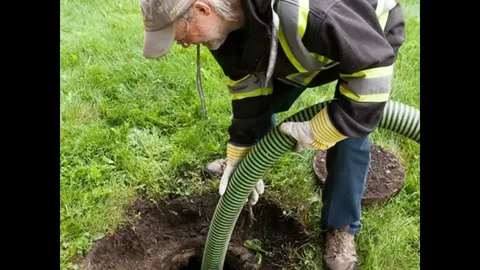
When the system functions correctly, the natural balance preserves a clean and safe environment beneath the grass. Property owners tracking their annual household tasks often categorize professional septic system maintenance as a primary necessity for keeping this balance steady. Regular inspections ensure that the internal layers stay at appropriate levels throughout the year.
However, even the best professional care cannot completely counteract the daily introduction of toxic household chemicals. The choices people make at the sink directly impact the efficiency of their underground systems. Protecting these microscopic colonies requires consistent mindfulness about what goes down the drain.
Killing the Beneficial Waste-Eating Bacteria
Strong chemical disinfectants are specifically manufactured to wipe out all living organisms on a kitchen counter or bathroom floor. When people rinse these powerful anti-bacterial solutions down the drain, the fluids do not magically lose their potency. They enter the underground chamber and immediately begin slaughtering the essential bacteria responsible for digesting waste. A single heavy session of bleaching the bathrooms can completely sanitize the tank and halt the natural decomposition process.
When the helpful bacterial colony dies off, the solid waste simply sits at the bottom of the container and hardens. This lack of active digestion causes the tank to fill up much faster than normal operating conditions expect. Homeowners are then left wondering why their pipes are suddenly backing up despite their careful habits.
Creating Destructive Chemical Scum Layers
Many popular cleaning products contain heavy chemical synthetic oils and non-biodegradable surfactants that do not dissolve easily in water. These stubborn compounds float to the top of the liquid layer and form a thick, suffocating barrier. This artificial crust prevents vital oxygen from circulating through the liquid, which further weakens the remaining bacterial colony.
Over time, this chemical accumulation hardens into an impenetrable layer that reduces the total holding capacity of the container. The liquid level rises dangerously high because the normal separation process cannot occur effectively anymore. This buildup eventually pushes solid debris into the exit pipes, creating severe blockages that require immediate emergency attention.
Preventing this greasy accumulation requires a closer look at what goes down the drains every single day.
Choosing Safer Alternatives for Daily Cleaning
Shifting toward eco-friendly cleaning options is an excellent way to protect the plumbing network. Natural ingredients like distilled white vinegar and baking soda provide exceptional cleaning power without harming the helpful microbes downstairs. These simple kitchen staples easily break down grease while remaining completely harmless to the underground machinery.
When purchasing commercial products, individuals should look closely for specific labels that explicitly state the formula is septic safe. Avoiding items packed with heavy synthetic fragrances, synthetic dyes, and concentrated chlorine formulas preserves the natural balance of the tank. Making these small adjustments in the grocery aisle prevents massive financial headaches down the road.
Protecting the Soil of the Drainfield
The final destination for the clarified liquid inside the container is a designated network of underground pipes embedded in the lawn. This specific absorption area allows the wastewater to slowly filter through the dirt, where natural soil microbes neutralize any remaining impurities. However, when harsh chemical cleaners escape the main chamber, they leach directly into this surrounding soil and poison the immediate environment.
These toxic chemicals destroy the natural structure of the dirt, preventing the ground from absorbing moisture properly. This saturation leads to soggy grass, unpleasant outdoor odors, and pooling water in the middle of the yard. Once the surrounding lawn becomes clogged with chemical residue, correcting the issue often requires excavating the entire yard at a massive expense.
Protecting this vital filtration area depends entirely on managing what gets flushed away inside the house. Homeowners must remain vigilant about their liquid waste to prevent permanent drainage field damage. Keeping chemical toxins out of the plumbing preserves both the lawn and the household budget.
Conclusion
Maintaining a healthy home involves looking beyond the visible surfaces of your kitchen counters. Daily choices made while scrubbing floors profoundly impact the unseen utilities operating beneath the lawn. Swapping out aggressive chemicals for gentle alternatives ensures the waste system functions smoothly for decades without damaging critical infrastructure.
By understanding the delicate nature of the underground ecosystem, homeowners can make smarter decisions every single day. Protecting the helpful bacteria and preserving the soil quality guarantees a stress-free living environment for the whole family. Taking care of the system today ensures a clean, comfortable, and reliable home far into the future.